What the Time Means
3–5 Seconds: High Heat
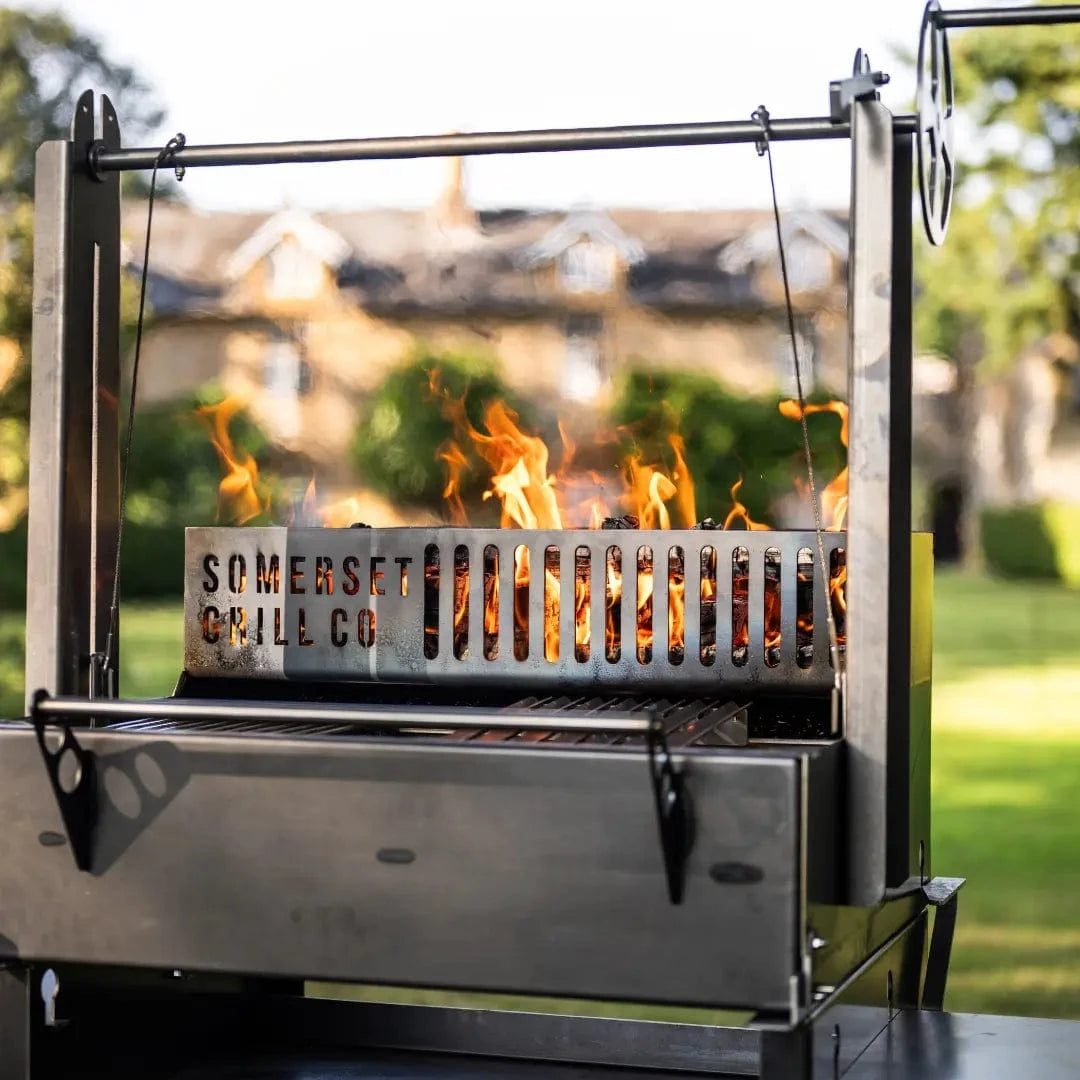
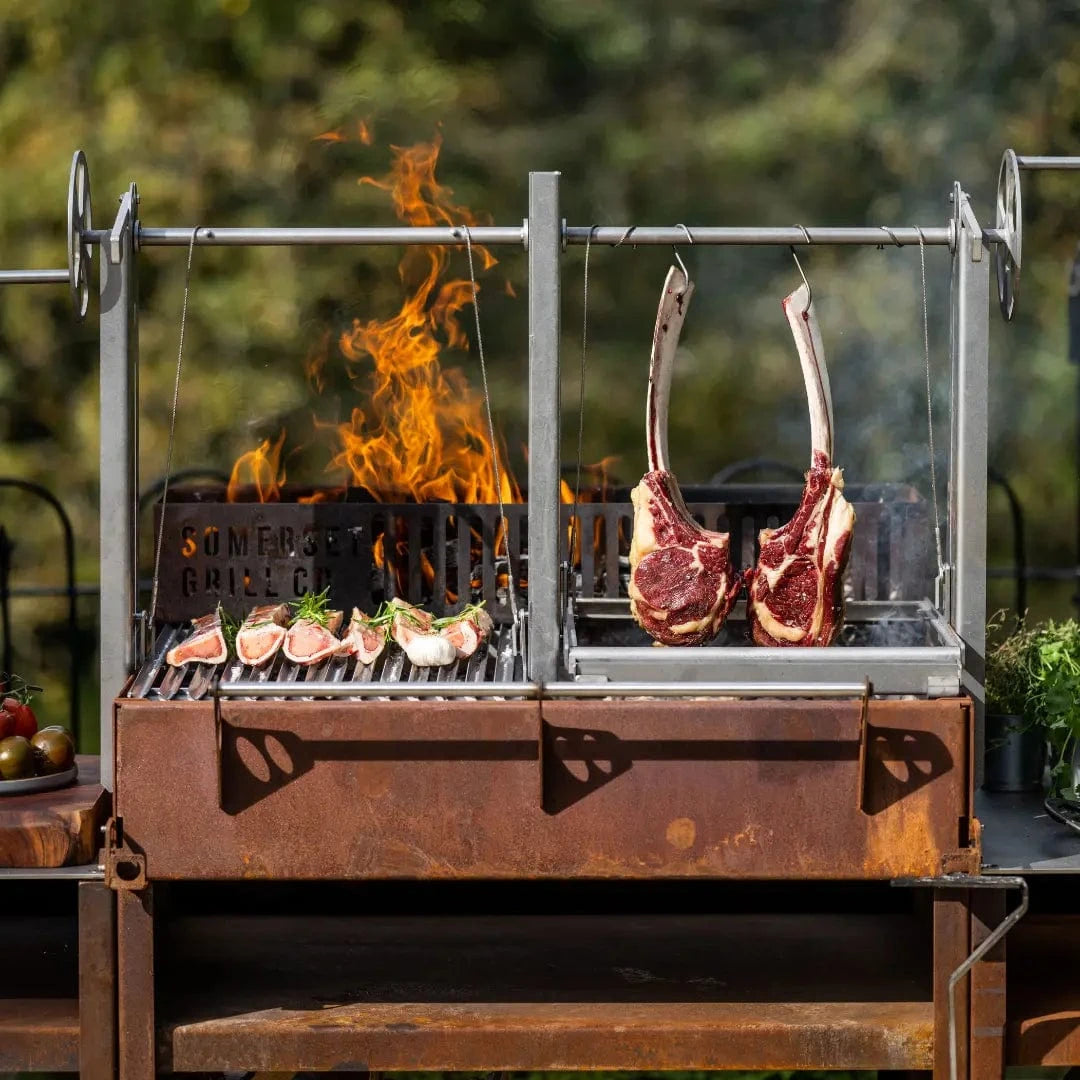
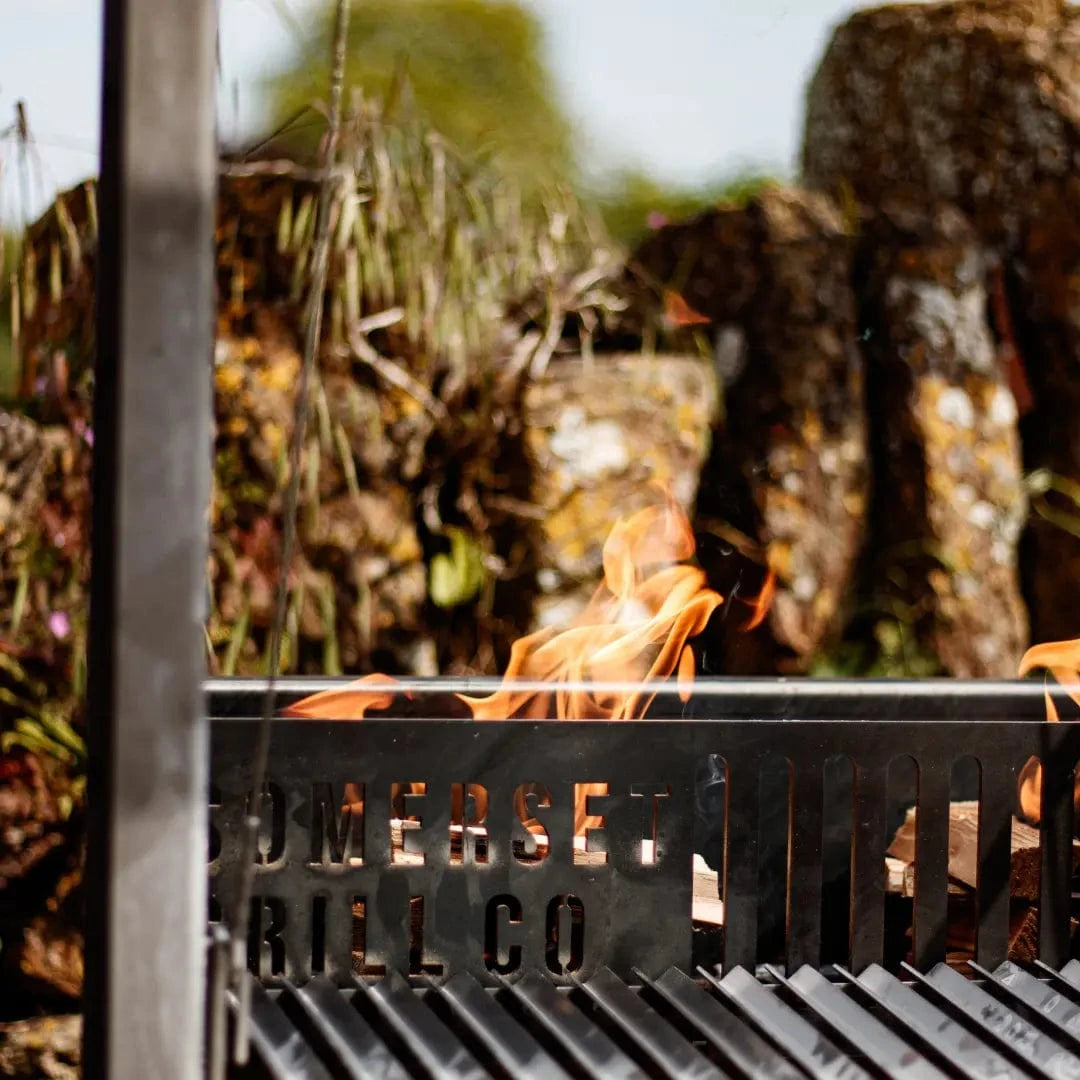
A thick bed of glowing orange embers beneath fine white ash, freshly raked from your Ember Maker. This is where you get that world-class crust on steaks, lamb chops, sausages, burgers, whole fish, and vegetables. Fast enough for colour and that crust you're after, gentle enough not to burn. The V Grill's channels prevent flare-ups so you get consistent heat even with fatty cuts.
5–10 Seconds: Medium-High Heat
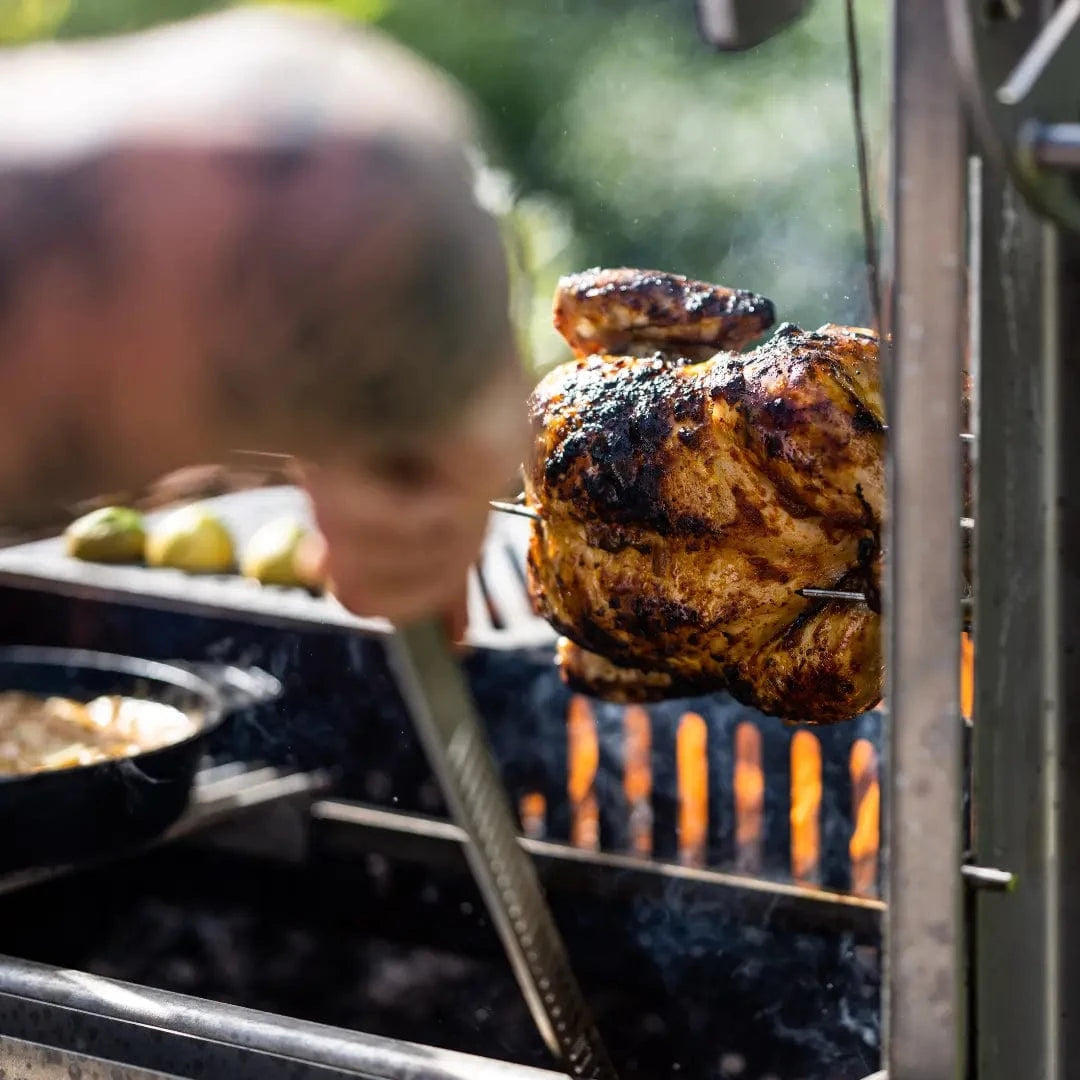
Ochre embers beneath grey-white ash that have settled into a steady glow. Perfect for whole chickens, ribs, large joints, root vegetables, and pot cooking. Transition from grilling to roasting. This heat is "punchy" but won't scorch the outside before the inside is done. Also perfect for pizzas on the upper end, delicate fish on the lower end.
10–12 Seconds: Medium Heat
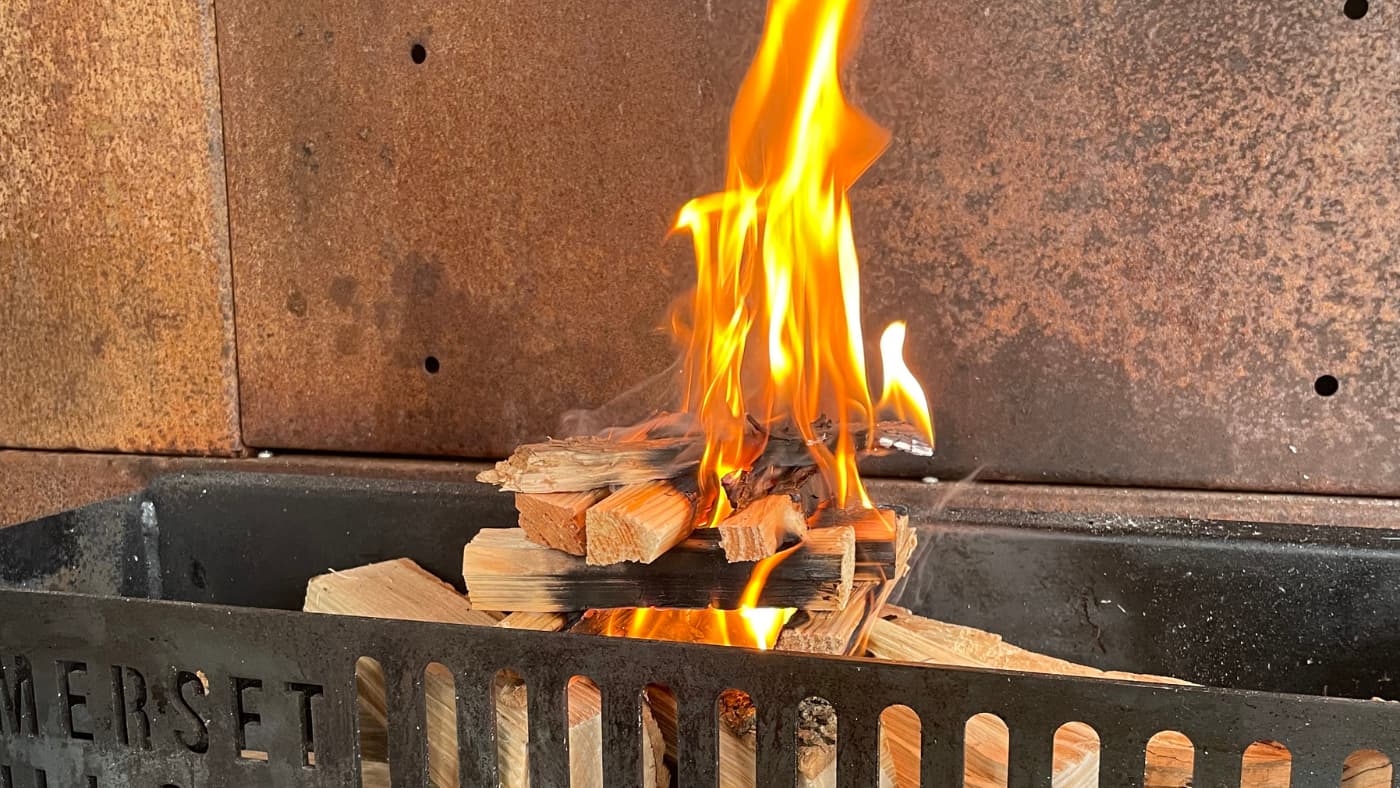
A mellow bed of amber flames or deep, cooled embers. Low-and-slow territory. Use this for smoking, delicate fish, keeping food warm, or finishing thick cuts after searing. The heat wraps around your food gently—no rush, just controlled cooking.
Quick Cooking Reference
High heat (3-5 sec): Steaks, chops, sausages, burgers, fish, most veg
Medium-high (5-10 sec): Whole birds, ribs, joints, root veg, pizzas, pots
Medium (10-12 sec): Smoking, delicate fish, finishing
Control the Heat, Don't Wait for It
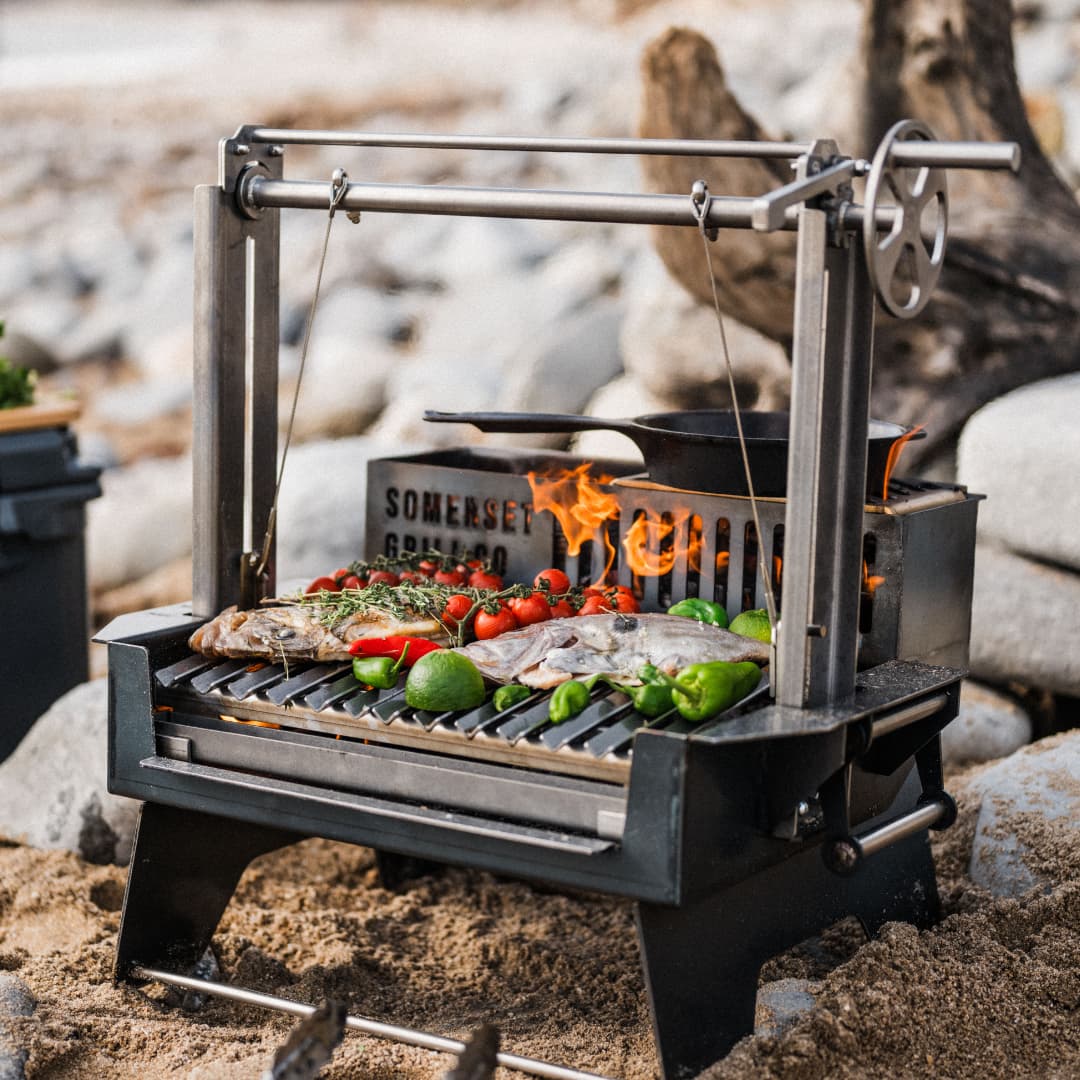
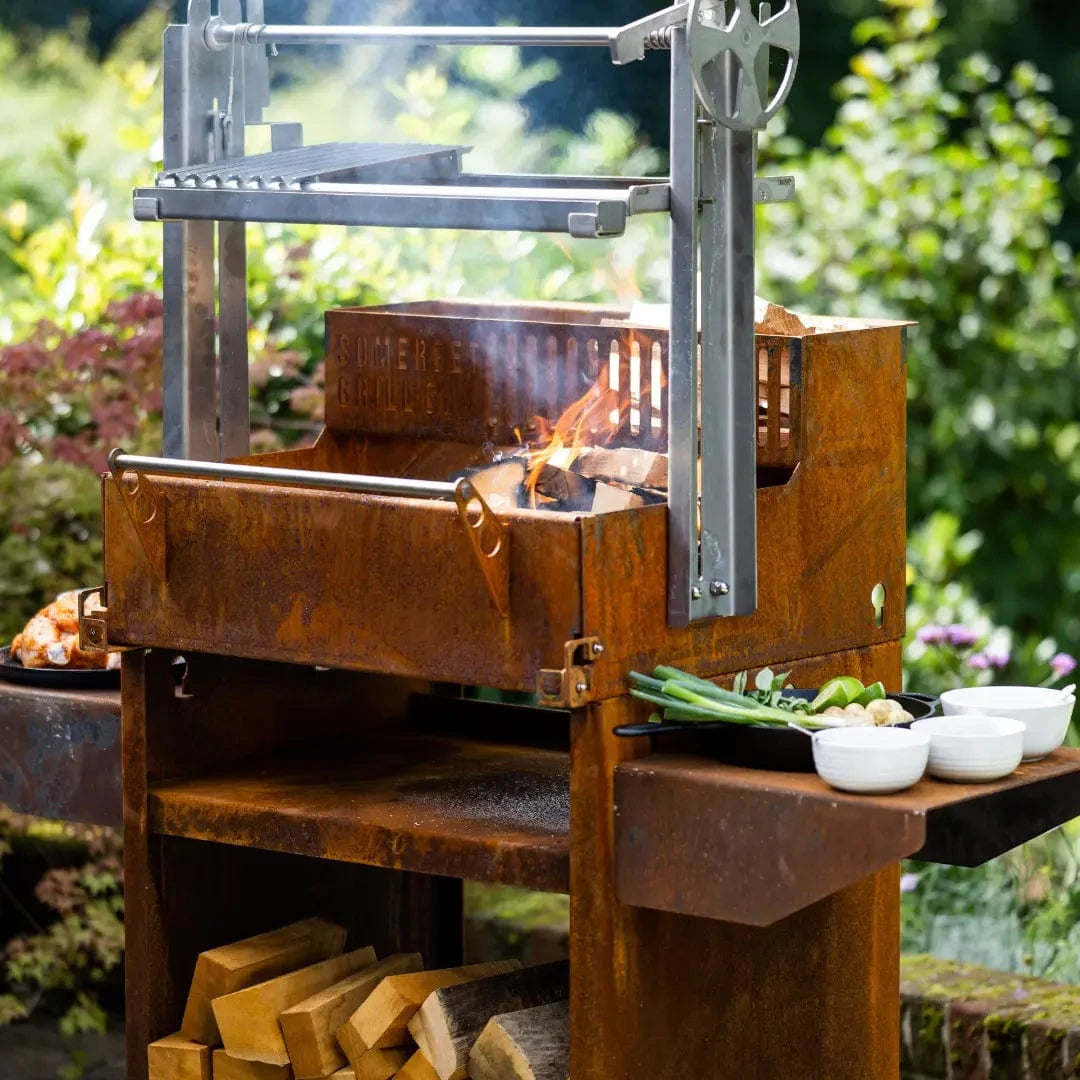
Your Somerset Grill height adjustment lets you access all these temperatures from a single fire. Lower the grill over intense heat for steaks, raise it for gentle roasting. Same embers, different intensity.
Need more heat? Use the rake on your Ember Maker to bring a fresh pile of glowing coals from the ember maker to the centre of your firebed.
Heat dropping? Simply use the wheel to lower the grill closer to the embers. This "boosts" your heat instantly without needing more fuel.
You're not waiting on the fire. You're directing it.
You'll Learn Fast
First few times, you'll count carefully. After a handful of cooks, you'll stop counting – your hand will just know. Two seconds. Five seconds. Eight seconds.
You'll start anticipating how your fire behaves. You'll recognise when embers need feeding, when they're perfect for searing, when they've mellowed to roasting temperature.
That's the goal. Not perfection – just steady improvement until reading your fire becomes automatic.
Next time you light your grill, give it a try. Hold your hand above the embers. Count the seconds. There's your temperature, there's your confidence building.
Related Guides:
Best Way to Start a Fire for Wood-Fired Cooking | Choosing the Right Firewood | Cleaning Your V-Shaped Grills