

Fire Cooking Around the World: The Million-Year-Old Overnight Trend
Man has cooked with and over fire for hundreds of thousands of years. So how come it's the hottest new trend around after all that time?!
Fire was initially used to provide heat and light, and cooking on it became a natural progression. For millennia, all around the world, humans worked out how to start and control fire, which allowed civilisations to thrive and geographic areas to be populated.
The unique draw of flickering flames and the radiance of its heat made fire a natural focal point to meet, talk and eat. And these basic elements, at their most primeval and raw, are what saw cultures worldwide harness local wood and meat to create great food and great gatherings. Some developed pits or ovens, used rocks or stone, and others just used open fire and embers – using what they had in their landscape, the wildlife and latterly farmed animals.
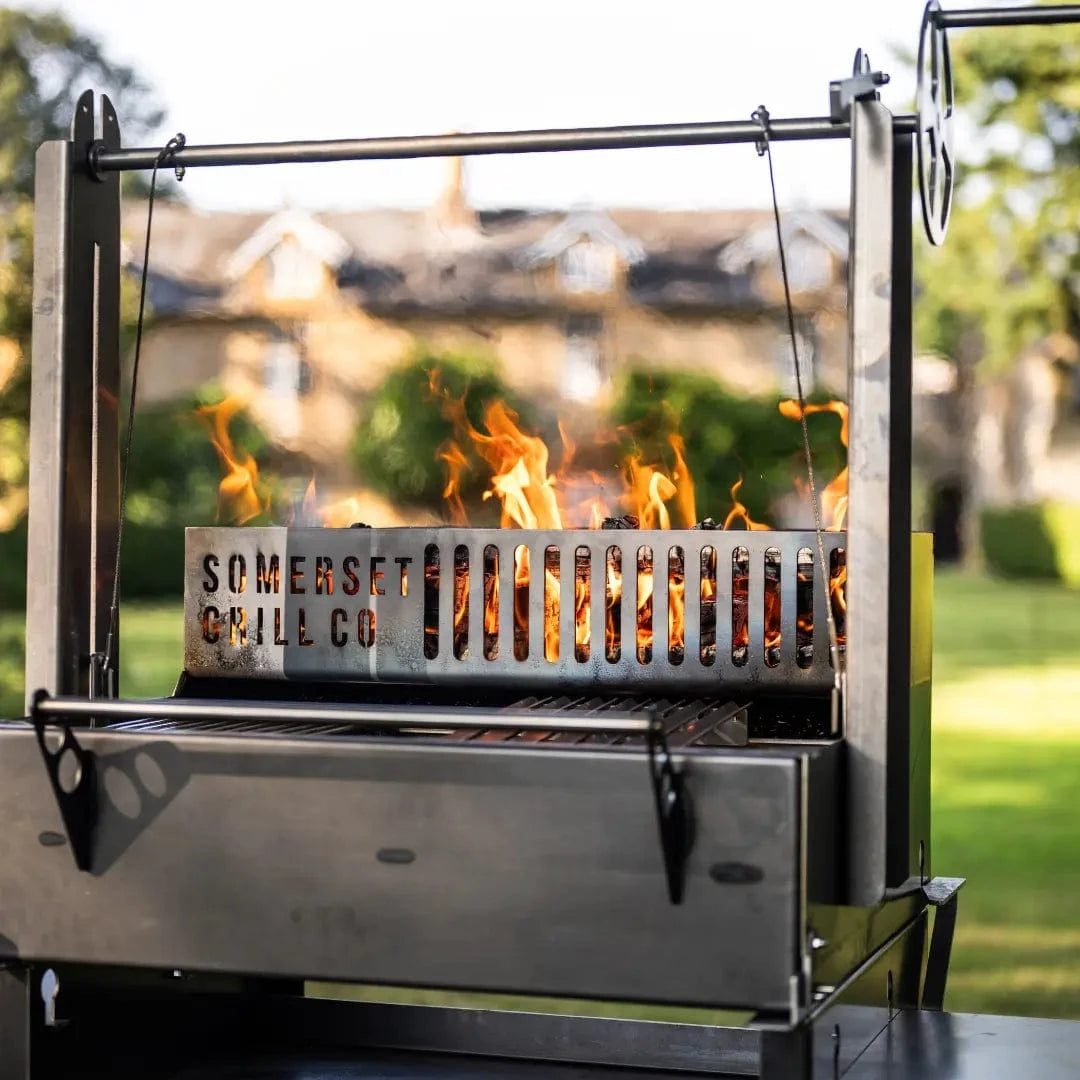
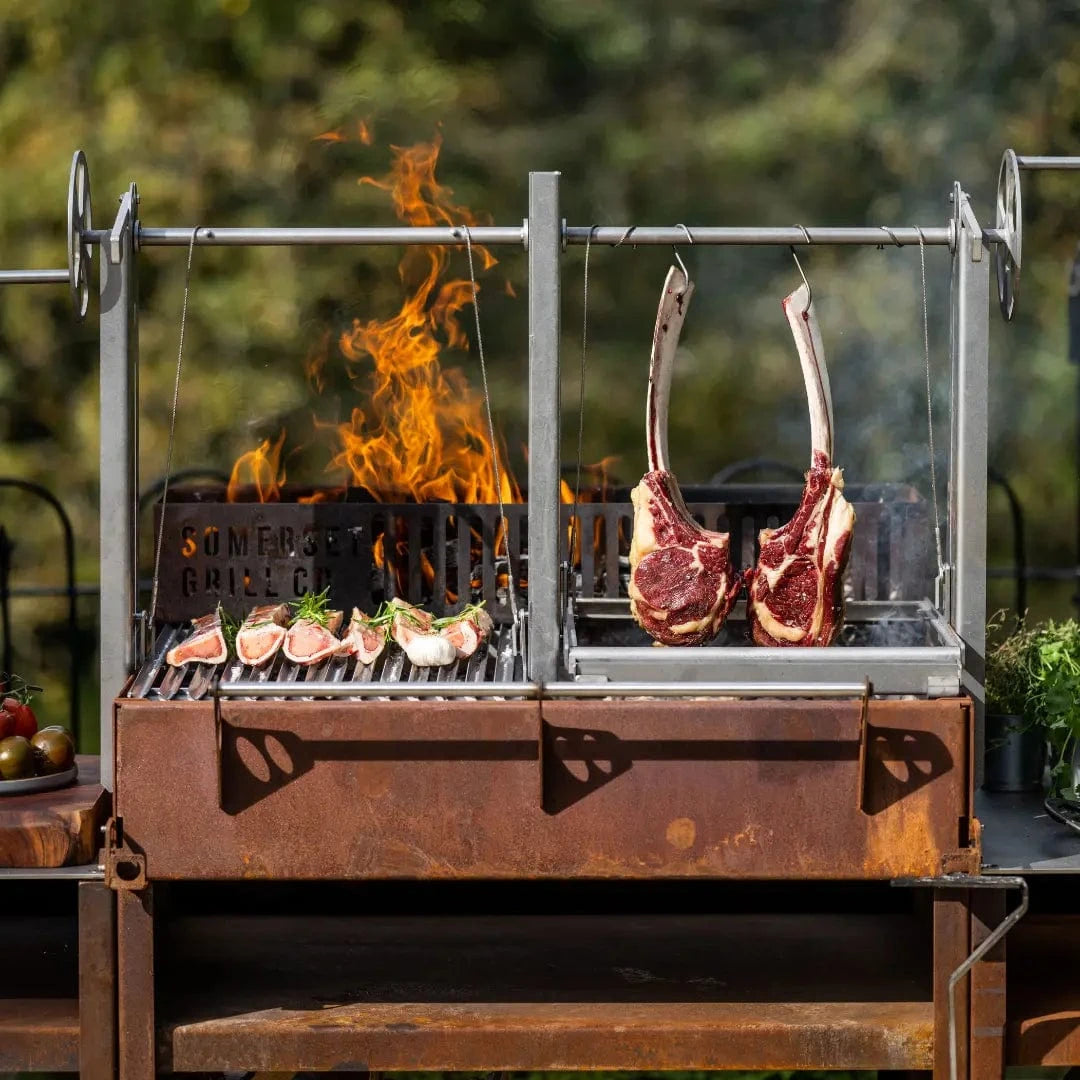
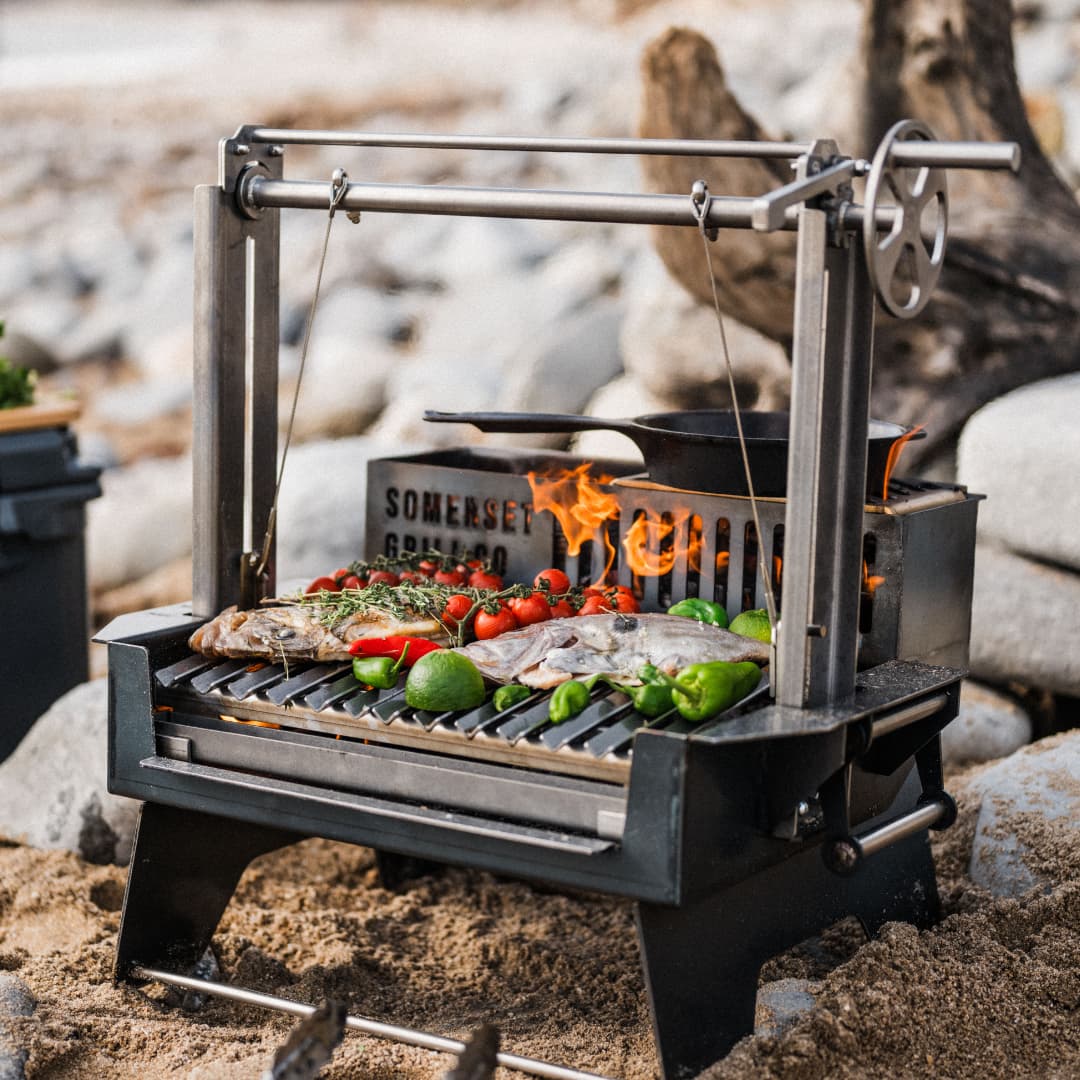
We thought we would globetrot round the world, and see the main fire cultures, and how they have influenced what and how we cook on Somerset Grills:
The Ember Cooks
Whether it's the Braai of South Africa or the Asado of Argentina and Chile, these methods became names for both the equipment and the occasion. Social as well as sources of great food, they are the cornerstone of many outdoor cooking cultures in the Southern Hemisphere. Elsewhere, the Santa Maria grill of California, Robatayaki in Japan and the Tuscan grill of Italy all developed their own cuisines and traditions, or used specific woods for flavour, like jerk in Jamaica.
It is only the recent desire to speed up and simplify the process that has seen time-poor developed populations turn to gas as a convenience, moving modern indoor cooking methods outdoors, but losing the soul and the flavour.
Cooking over wood embers still feeds millions worldwide, but in the UK the instant-gratification culture made us lose touch with the process. The barbecue became synonymous with charred sausages and burgers on those few hot sunny days each year.
Clay Ovens
While many used embers for heat, others built ovens or pits, lined with local materials like clay or stone, designed to capture and hold indirect heat for longer. These came much later, but are still thousands of years old.
Classic amongst these is the Indian and Pakistani tandoor oven, originally for breads and baking, but adopted for meats too. The Nordic countries, who love their wood, developed similar outdoor pits.
Similar is the New Zealand Māori hāngī, where a pit is dug and a fire heats large stones; the food is laid on the hot stones and covered with earth for the duration of the cook. Native Americans used firepits too, which often held sacred or spiritual meaning as well as being a source of heat and food.
Fire Cooking Moves Indoors
Warmer climates around the world allowed food to be cooked, and eaten, outdoors. That is the main reason fire cooking is so prevalent in reliably warm countries, where you can cook and eat outside pretty much any day you choose.
As dwellings became more sophisticated, the fire moved indoors with the evolution of the hearth. From Persia to the Byzantine Empire, spreading to Russia and Northern Europe, houses used the hearth to cook and heat, developing chimneys and smoke holes to keep the air clean, and ranges of tools and cookware to make the most of what could be cooked. Hearth taxes were even levied. From bread ovens set in the classic British fireplace to wood-fired ranges and ovens, the Industrial Revolution made fire more manageable – but it was quickly extinguished as the preferred way of cooking indoors, as first electricity, and then gas, rolled out across the developed world.
It All Goes Full Circle
And that was it – in developed countries, we lost touch with the origins and methods of cooking over fire in just a few generations. It is still widely used in less developed countries, but elsewhere the cycle ran its course: from cave cooking, to outdoor fires and pits, to basic ovens and grills, to the hearth indoors – and finally to its extinction through quicker, more convenient heat sources.
As life got faster, the desire to slow down began to creep back in. Covid forced us to socialise outdoors more, and to appreciate friends and family around us. The rapid rise of outdoor kitchens in the wider sense – from homespun canopies to grander projects – has at least taken the risk of the British weather out of cooking, and hopefully out of eating outdoors too.
And so it was that Somerset Grill was born. To make it easy to manage that outdoor fire and control the temperature – to roast and bake, sear and simmer, as man has done for millennia. Slowing cooking down, socialising, reconnecting with local wood and food sources, and above all the best-tasting food you can dream of.
Of course we didn't invent fire cooking, but we hope we have helped bring it back into thousands of British gardens, and bring smiles to the faces of those who truly enjoy that primeval battle with the flames.


Comments
0 comments